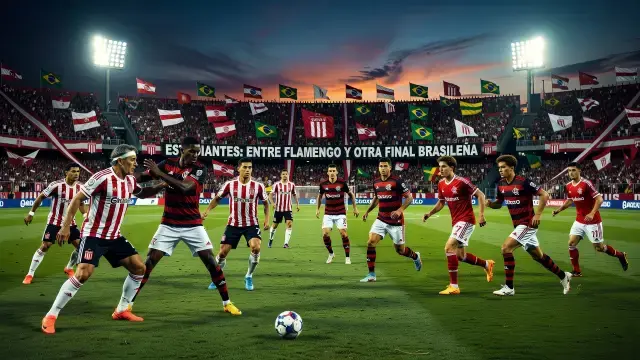
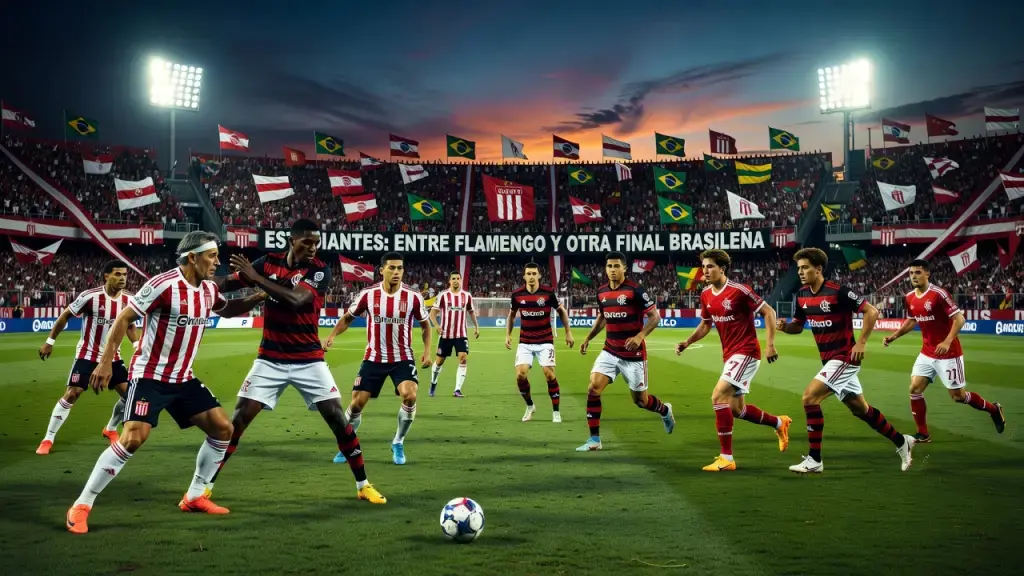
Brazilian clubs have won the Copa Libertadores seven years running, a run of continental dominance that stands in sharp contrast to the national team's recent World Cup struggles. With Palmeiras and Fluminense set to contest an all-Brazilian semifinal for a place in the Nov. 28 final in Montevideo, a guaranteed Brazilian finalist is already secured. The only thing standing between Flamengo and a shot at an eighth straight Brazilian triumph is Estudiantes de La Plata, a club with a pedigree for punching above its weight.
The broader intrigue around this year's competition extends well beyond the pitch. Fans following the tournament from São Paulo to Lagos to Mumbai have plenty to parse, from Palmeiras' possible rematch with Flamengo echoing last year's final and 2021's decider, to the tantalizing prospect of a Fla-Flu derby played out on Uruguayan soil. For those following the storylines closely through platforms like royalerush casino, the depth of narrative this year's Libertadores offers is unusually rich - a genuine changing of the guard in Argentine football colliding with Brazil's continued continental supremacy.
Argentina's Giants Falter, Humble Estudiantes Steps Up
River Plate and Boca Juniors, the clubs whose explosive 2018 final remains the last time a non-Brazilian side lifted the trophy, both arrived at this edition diminished. River failed even to qualify for the Libertadores, exiting the Copa Sudamericana early to Colombia's Independiente Santa Fe. Boca stumbled through a poor first half of the year, dropping into the Sudamericana themselves, where a coaching change has sparked a revival against Vasco da Gama. Neither Buenos Aires giant, despite the financial boost of last year's Club World Cup appearance, has been able to mount a serious continental challenge.
That has left Estudiantes, a club with three Libertadores titles won consecutively between 1968 and 1970 and a fourth in 2009, flying the Argentine flag. The 1960s side built its reputation on meticulous preparation and set-piece mastery under the guidance of Juan Ramón Verón; four decades later it was his son, Juan Sebastián Verón, who inspired the 2009 triumph. Verón Jr. now serves as club president, overseeing a side that takes the field for Thursday's first leg in La Plata fully aware of the tradition it carries.
A Financial Mismatch, But a Competitive One
On paper, this semifinal looks lopsided. Flamengo's spending power dwarfs that of their La Plata rivals, underlined by the recent signing of 19-year-old River Plate prospect Joaquín Freitas, a player many in Argentina compare to Julián Álvarez. Yet recent history suggests Estudiantes can compete. Last year's quarterfinal went to penalties before Flamengo advanced, and this year's group-stage meetings produced a tight 1-1 draw in La Plata and a narrow Flamengo win in Rio, the latter decided by an error from veteran goalkeeper Fernando Muslera.
Familiar Faces and a Fighting Spirit
Estudiantes' squad blends experience and promise. Guido Carrillo offers a physical presence up front, with Joaquín Correa operating just behind him, while Marcos Rojo has returned to the club that first made his name. Veteran captain José Sosa, now 41, anchors the dressing room, and wingers like Baltasar Rodríguez and young Uruguayans Joaquín Tobio Burgos and Tiago Palacios provide attacking spark. The team has already shown resilience, scoring late to reach the knockout stages and again to avoid a shootout against Corinthians in the quarterfinal. Whether that grit is enough to derail Brazil's remarkable run remains to be seen.